Motorhome
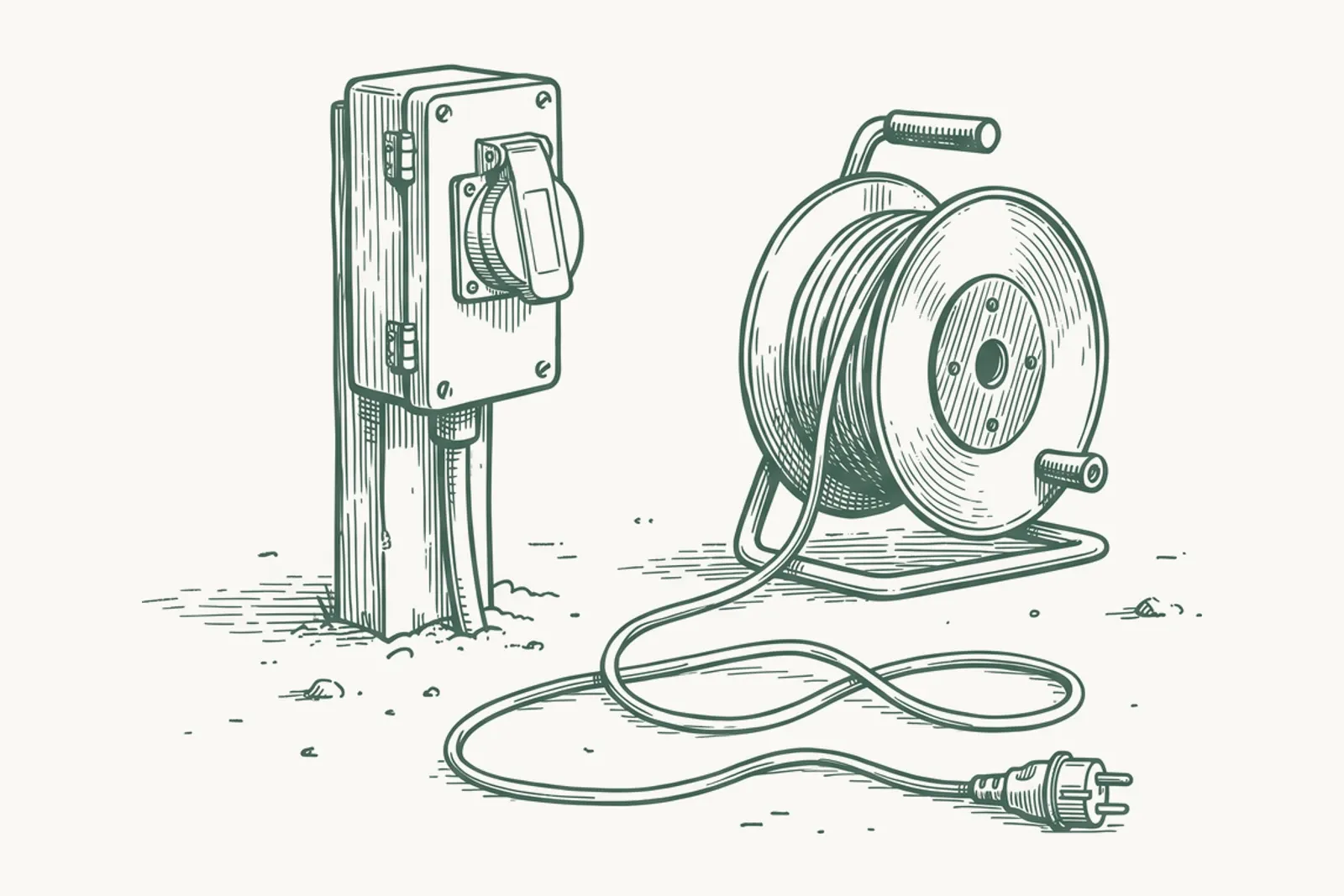
Campsite electricity: what can you plug in on 6 A or 10 A?
A kettle and a hair dryer together on 6 A? No. What the amps on your pitch actually mean, and what you can run without tripping the breaker.
Independent guide31 guidesupdated November 2026
Buying guides and advice on tents, sleeping bags, stoves and camp furniture: what to take for the way you travel, and what can stay at home.
Tool
Three questions — how you travel, the season, whether children are coming — and the list keeps only what applies. Your ticks stay put between visits, and the list travels as a plain link.
Open the list
Tick the appliances that will run together, pick 6, 10 or 16 A, and see whether the pitch's breaker will hold. With a table of the usual cases underneath.
Enter the coldest night you expect, whether you sleep cold, and your mat: you get the comfort rating to look for and the R-value the night calls for.
The number of people, days and the cooking you plan give the grams of gas and the number of cartridges to pack, one spare included. A quick check before each trip.
How to choose a camping tent: real capacity, seasonality, waterproof rating, structure and care. Practical guides for family camping, hiking and bivouac.
Sleeping well outdoors: choosing a sleeping bag by temperature rating, comparing air mats, self-inflating mats and camp beds, and getting ground insulation right.
Equipping a camp kitchen: choosing a gas or liquid-fuel stove, putting together a cook set, managing water, the cool box and food storage.
Choosing camp furniture: folding tables and chairs, storage units, lighting and awnings. Practical guidance on weight, packed size and sturdiness.
Hiking and bivouac gear: backpack, lightweight shelter, sleep system, minimal cooking. How to cut weight and pack for several days out.
Equipping a motorhome or caravan: electricity, water, gas, awning, outdoor furniture and storage. Practical guidance for a trip by vehicle.
All our camping checklists and practical guides: the complete gear list, family camping, a first trip, bivouac. Lists to read before you leave.
Motorhome
A kettle and a hair dryer together on 6 A? No. What the amps on your pitch actually mean, and what you can run without tripping the breaker.
Tents
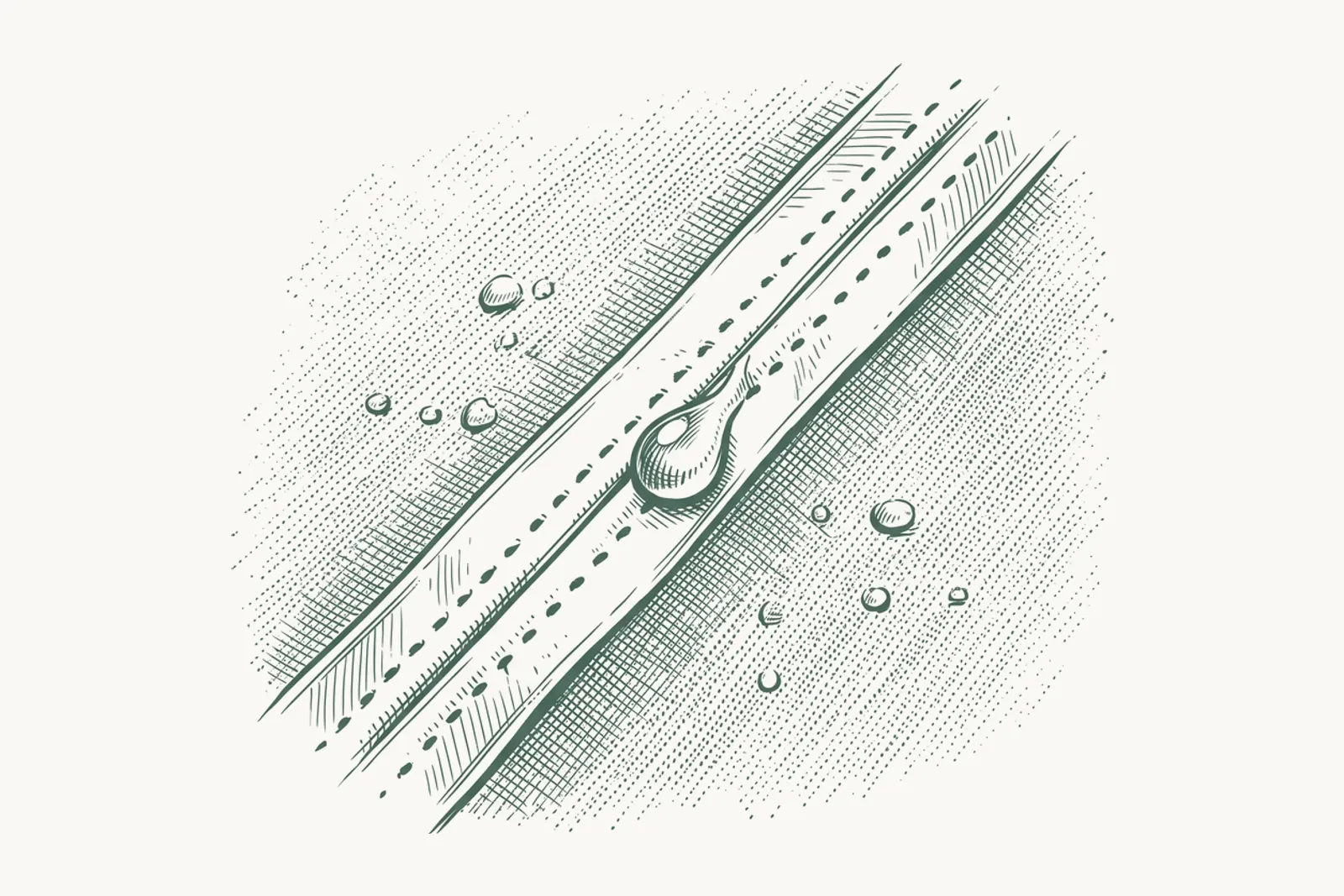
Drops are falling inside your tent at dawn. How to tell a real leak from condensation, what to do on the spot, and what to fix once you are home.
Guides
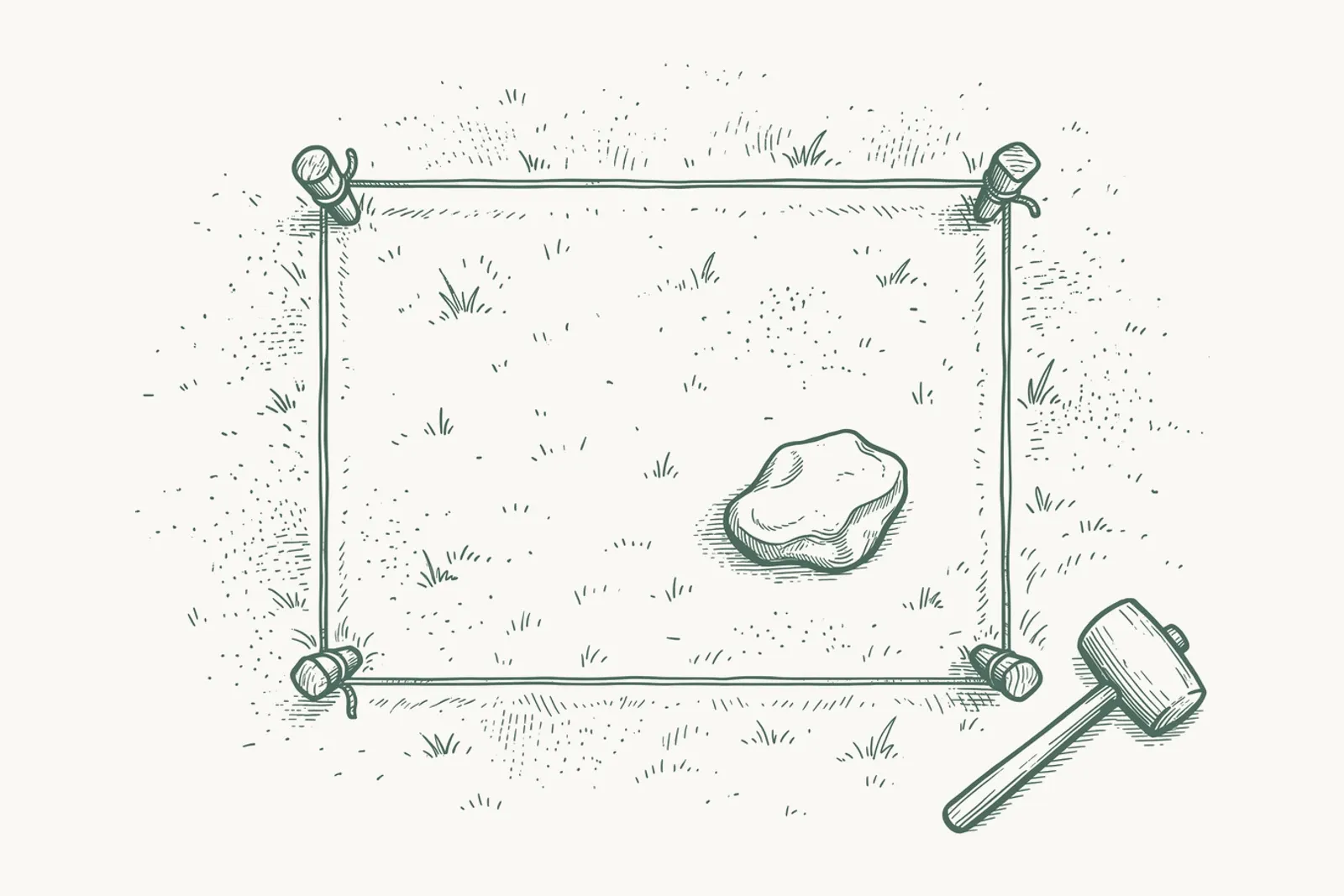
One or two nights, close to home, on a graded site: the order of decisions that makes a first camping weekend work without over-buying kit.
Cooking
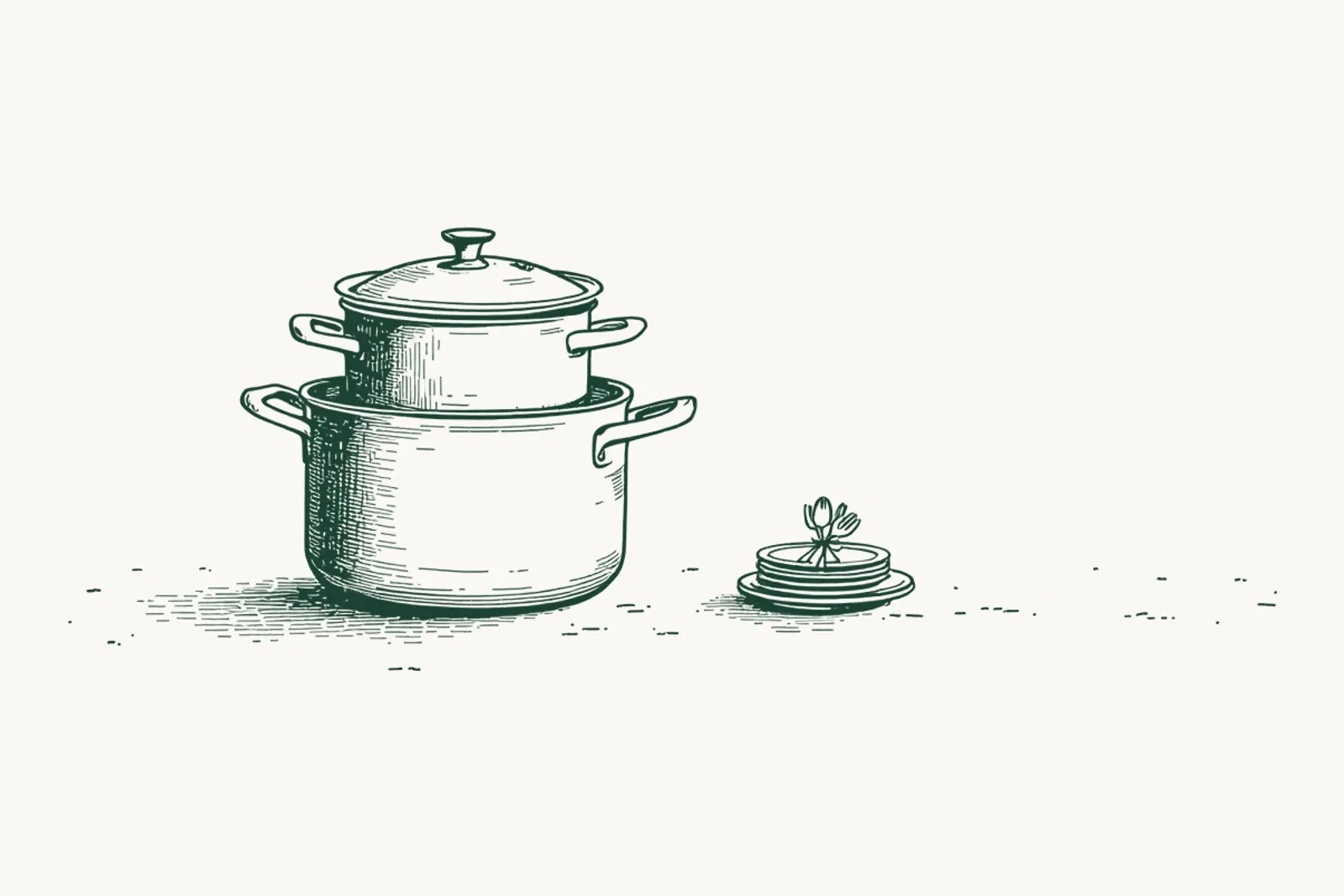
One pot, one pan, a bowl, a mug and cutlery per person cover nearly every meal. Materials, packed size and washing up at camp: the choices that matter.
Sleeping
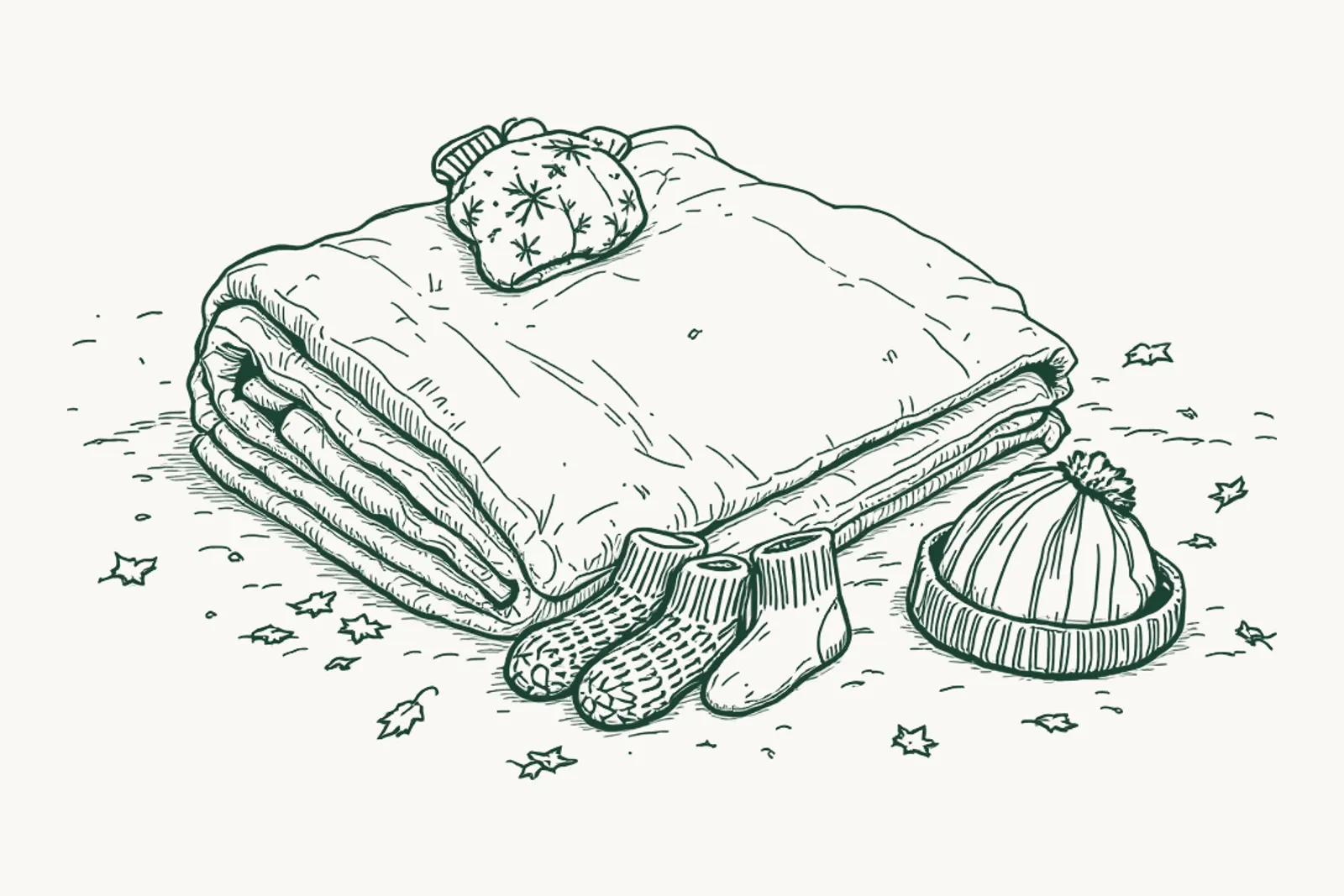
Between 5 and 12 °C you feel colder than the forecast says: ground, damp and long nights explain why. R-values, comfort ratings, and what to try before buying.
Cooking
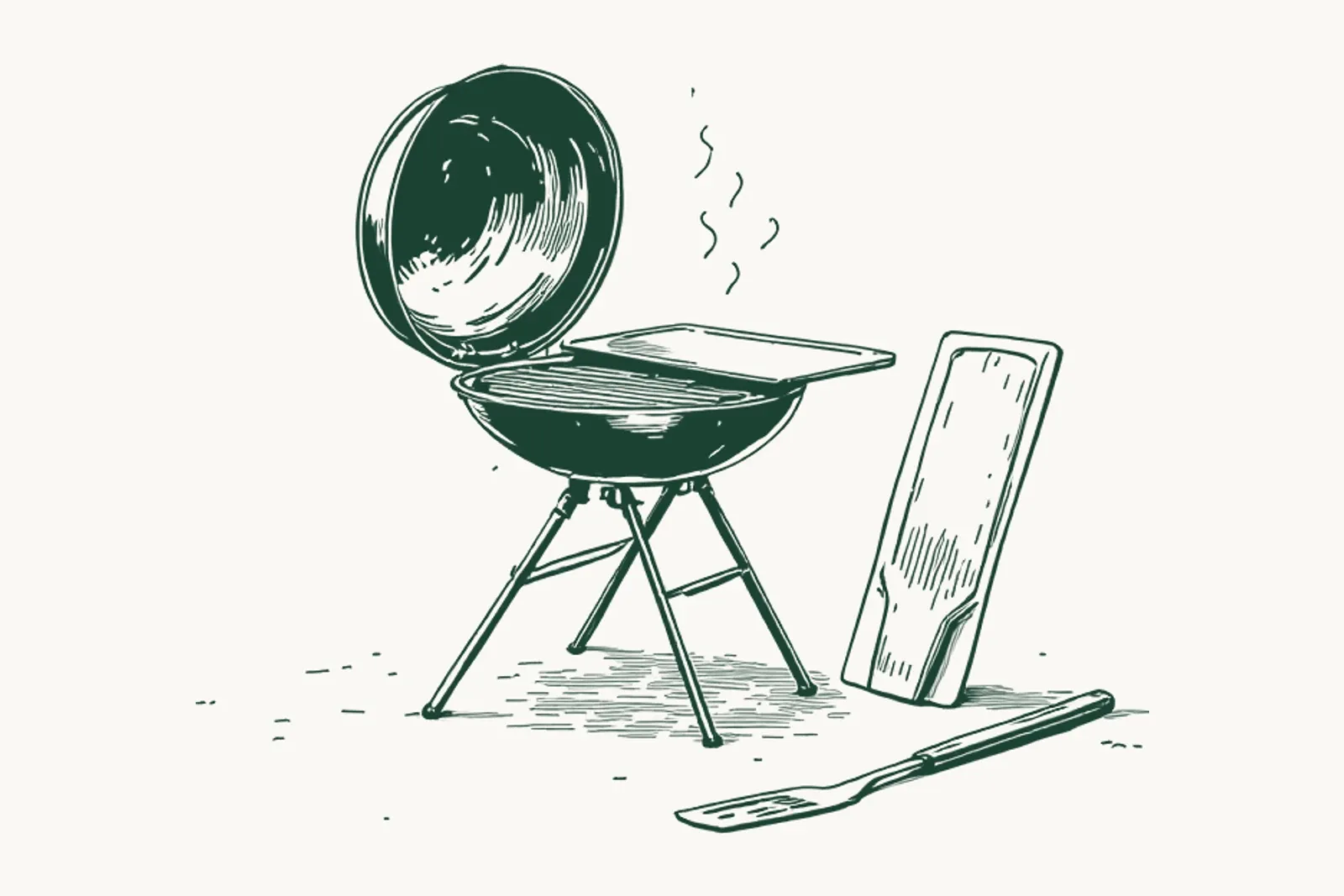
Charcoal, gas or a flat griddle: what campsite rules allow, what the fat does differently on each, and how you clean up with no hot water on the pitch.
You will find practical guides here on tents, sleeping bags, mats, stoves, camp furniture, lighting, accessories and hiking equipment. Each guide starts from a concrete question and gives an answer you can use before buying, without needless jargon.
What you need depends on how long you are away, the season, how many of you there are and the kind of camping you do. A family tent and a lightweight bivouac shelter answer opposite briefs: the first prioritises living space and headroom, the second weight and packed size.
Our guides exist to help you prepare your kit without hauling along things you will never use. Starting from a complete checklist is still the most reliable way to leave with a clear head.
If this is your first trip, three guides cover the essentials: what gear do you need for camping, how to choose a camping tent and how to choose a sleeping bag.
Have a look at our checklists too, so nothing gets left behind.